
More Than a Screen: Why Touchscreen Quality Matters in Amusements

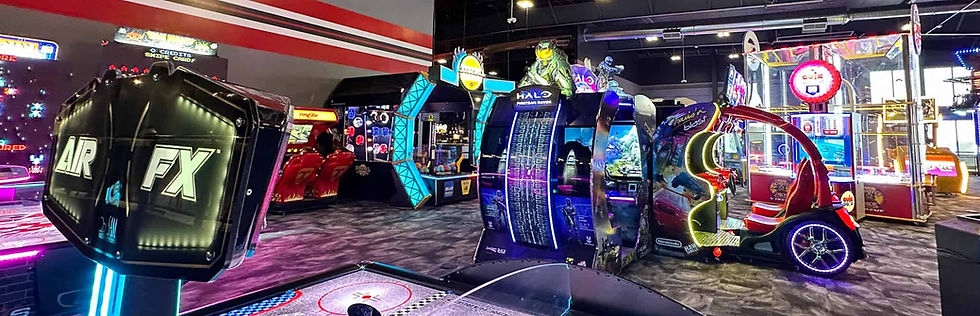
In modern gaming, touchscreen monitors are far more than a simple display, it is the interface between the player and the machine. Every selection and confirmation happens through the screen.
If the interface is slow, inaccurate, or visibly worn, the user's experience suffers, regardless of how strong the game content may be. For operators, the quality of the touchscreen directly impacts player satisfaction, machine uptime, and ultimately revenue performance.
Trust Is Built in Milliseconds
Player confidence is critical in any gaming environment. When a touchscreen responds instantly and accurately, the machine feels reliable and intuitive to use. Even small issues such as lag, poor edge sensitivity, or touch drift can quickly frustrate players and cause them to move to another machine.
In locations like bars, taverns, clubs, and convenience stores, players naturally gravitate toward machines that feel smoother, faster, and more responsive.

Uptime Drives Revenue
For operators managing machines with touchscreens, reliability is directly tied to profitability. A touchscreen failure doesn’t just require a service call, it results in machine downtime, location dissatisfaction, and lost revenue.
Even more problematic are subtle performance issues such as dim displays, inconsistent calibration, or intermittent touch response. While these problems may not immediately disable a machine, they can shorten play sessions and gradually reduce overall earnings.
High-quality commercial touchscreens help minimize these issues by reducing:
Service calls and truck rolls
Intermittent performance problems
Premature panel failures
Location complaints
Across a large installed base of machines, these operational improvements can significantly increase overall efficiency and profitability.
Built for Real-World Gaming Environments
Gaming machines often operate for long hours in demanding environments. Heat buildup inside cabinets, vibration, smoke residue, dust, and frequent cleaning can quickly wear down standard consumer-grade displays.
While these monitors may perform well initially, they often degrade faster under continuous commercial use. Commercial and industrial-grade touchscreens are engineered specifically for these conditions. They are designed to maintain brightness, clarity, and touch accuracy over extended run times, ensuring consistent performance even in challenging environments.

Touch Performance Drives Player Engagement
The quality of the touchscreen also plays a major role in player engagement. Clear graphics, wide viewing angles, and precise touch response create a seamless interaction between the player and the machine.
When the experience feels natural and effortless, players tend to stay longer and return more frequently. Even small improvements in touch responsiveness and display quality can translate into longer sessions and increased play volume.
Operational Consistency Across a Route
For operators managing machines across multiple locations, consistency is just as important as durability. Standardizing on high-quality touchscreen monitors helps simplify maintenance, reduce spare parts inventory, and ensure predictable performance across an entire route.
Reliable commercial displays typically offer:
Stable calibration over long run times
Consistent brightness and image quality
Durable glass surfaces designed for repeated cleaning
Long-term product availability for fleet standardization
This allows operators to maintain machines more efficiently while delivering a uniform player experience.

A Competitive Advantage
In competitive environments, machines that look brighter, respond faster, and feel more modern naturally attract more players. While the touchscreen may seem like a small component, it has a significant influence on how players perceive the overall machine experience.
For gaming machines, touchscreen quality is not just a cosmetic upgrade. It directly affects player trust, machine uptime, and long-term revenue performance. The screen is the player’s primary connection to the game, and when that connection performs flawlessly, the results are measurable.
This information was provided by Betson, a proud member of PAMMA, sourced from Javelin Displays. Insights reflect industry trends and examples shared by Betson and are intended for informational purposes only.


Comments